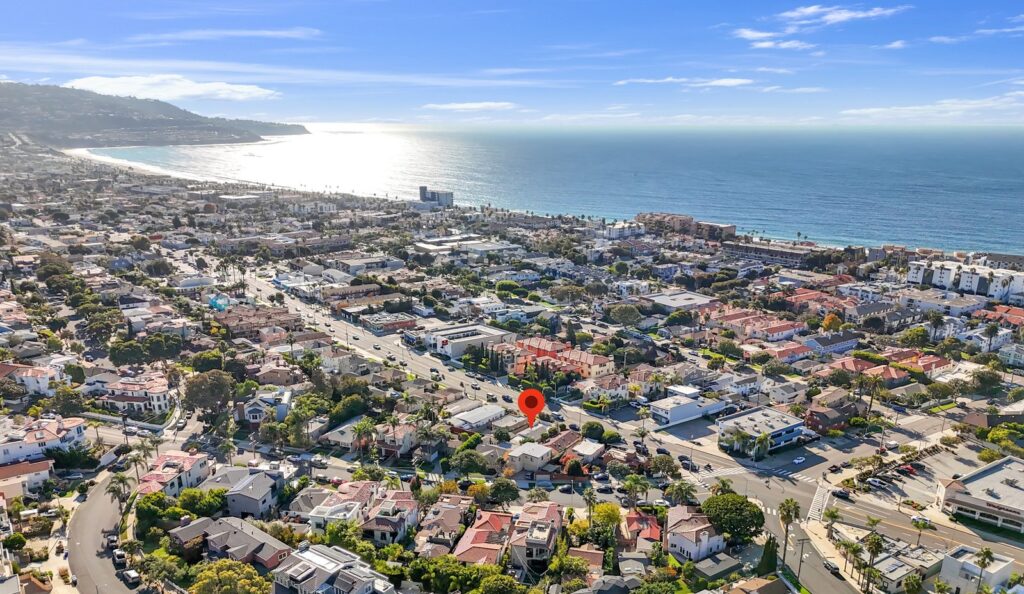

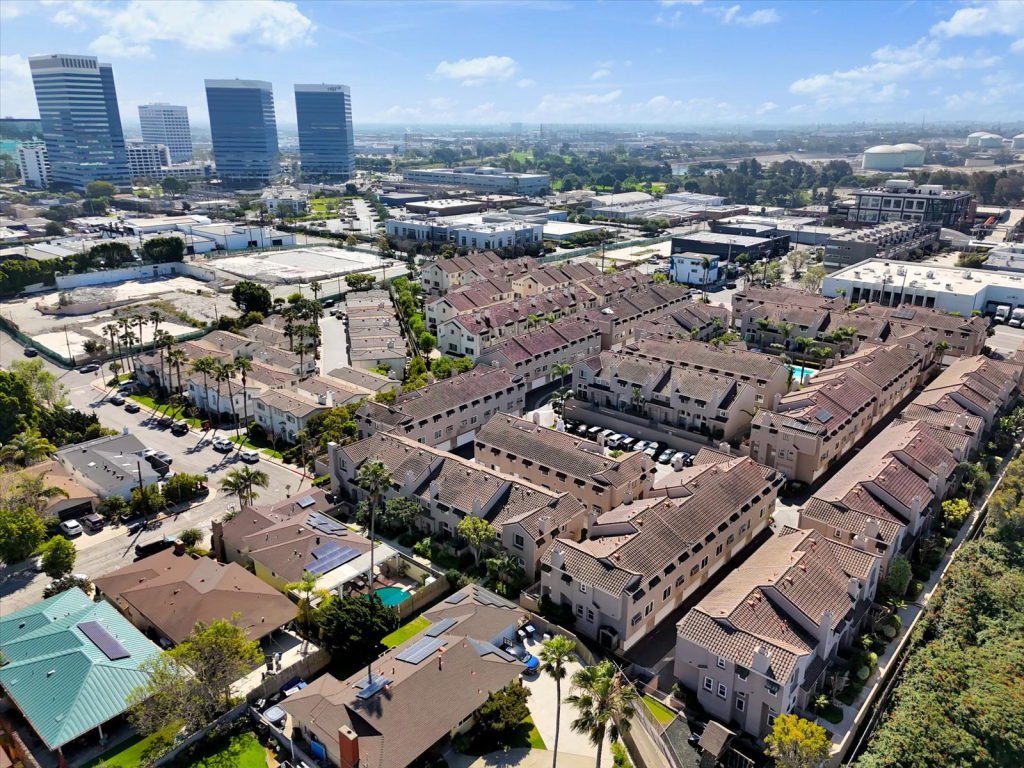
South Bay real estate entered March 2026 with a noticeably different tone than the past two years. While still leaning toward a seller’s market, shifting interest rates, rising inventory, and longer time on market are gradually creating a more balanced environment.
One of the most important drivers of the March market has been mortgage interest rates. After hovering in the mid-to-high 6% range through much of 2024 and 2025, rates have eased to around 5.9% to 6.1% for a 30-year fixed loan. This drop—while modest—has had a meaningful psychological and financial impact. Even a 1% change in rates can shift monthly payments by roughly 10%, influencing buyer affordability and demand. As a result, many buyers who had been sidelined are beginning to re-enter the market just in time for the spring season, increasing activity across the South Bay.
Inventory, while still relatively constrained compared to pre-pandemic norms, is finally showing signs of improvement. Across Los Angeles County, active listings have been trending upward, with roughly 15,000 homes on the market as of late February. Locally in the South Bay, agents report that inventory remains “low but improving,” which is a key distinction. This gradual increase in supply is giving buyers more options and, importantly, more leverage than they have had in recent years. Statewide projections suggest inventory could rise close to 10% in 2026, reinforcing this trend toward a more balanced market.
Despite this increase, the South Bay is still experiencing relatively tight supply, which continues to support home values. The median home price in the South Bay has hovered around $1.1M to $1.2M in early 2026, reflecting only slight year-over-year changes. This stability indicates that while the market is no longer overheated, it is also far from declining significantly. Instead, it is transitioning into a slower, more sustainable pace of growth.
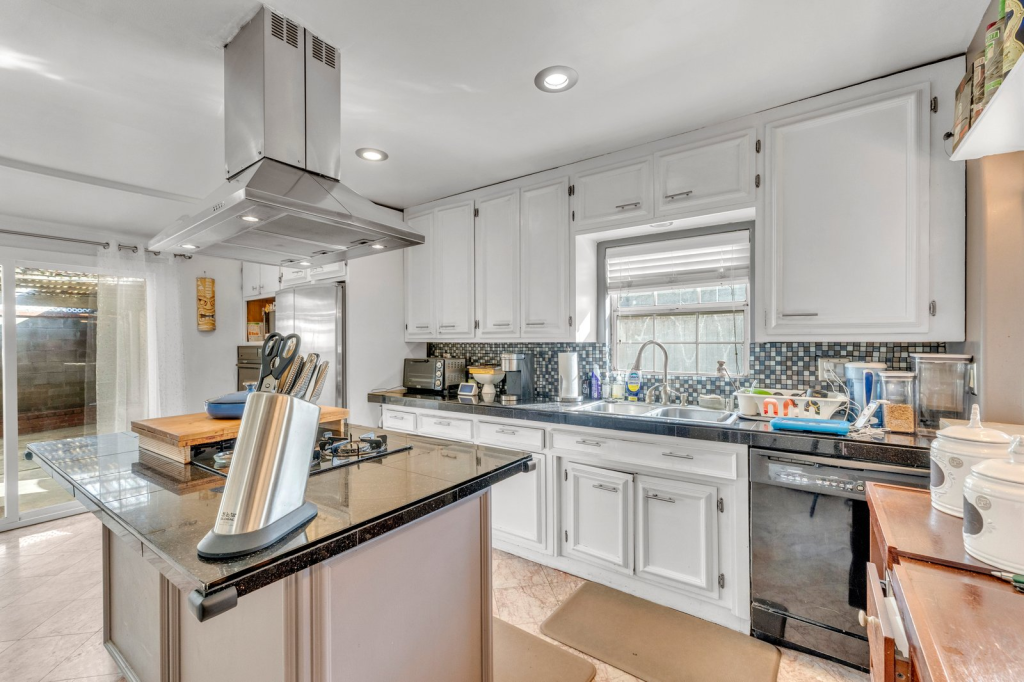
Time on market is where the most noticeable shift is occurring. In February and March 2026, homes in the South Bay are taking approximately 60 to 65 days to sell on average, up from the mid-50-day range a year ago. Across the broader Los Angeles market, some properties are taking even longer—often 50 to 70 days—depending on pricing and condition. However, this average masks a “two-speed” market dynamic. Well-priced, move-in-ready homes are still selling quickly—often within 2 to 3 weeks—while overpriced or outdated properties can linger on the market for months.
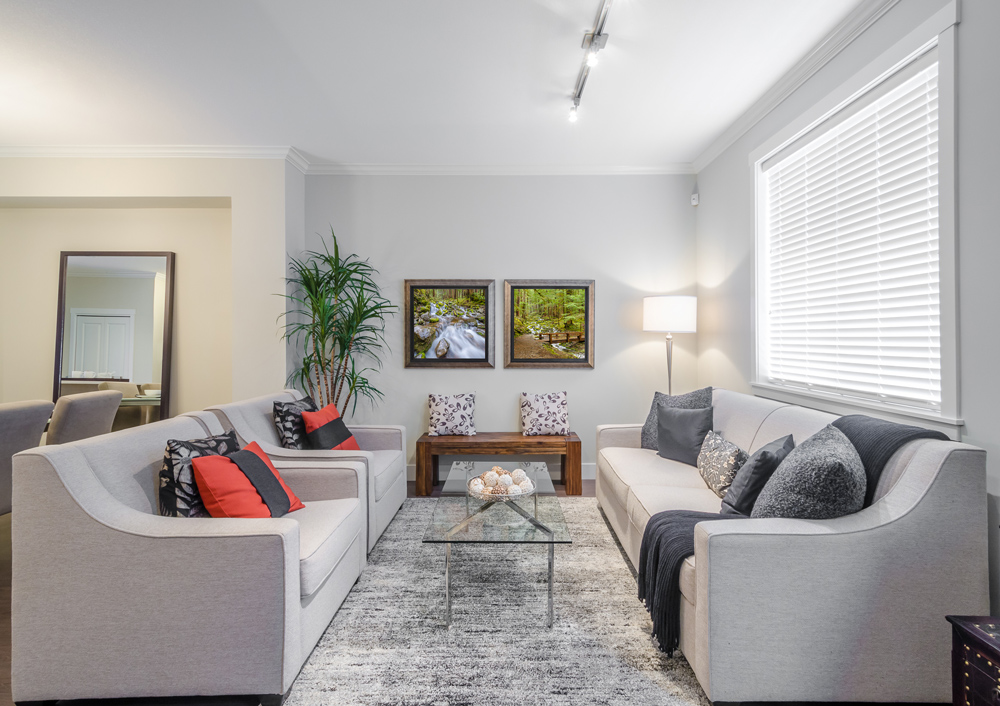
This divergence underscores a critical theme for March 2026: strategy matters more than ever. Sellers can no longer rely on rapid appreciation or limited competition to secure top dollar. Pricing accurately from the start and presenting a polished, turnkey product are essential for achieving a fast sale. On the buyer side, increased days on market and rising inventory mean more opportunities to negotiate, conduct thorough due diligence, and avoid the intense bidding wars that defined prior years.
Overall, the South Bay real estate market in March 2026 can best be described as “rebalancing.” Lower interest rates are fueling renewed demand, while increasing inventory and longer marketing times are giving buyers more breathing room. The result is a healthier, more normalized market—one where both buyers and sellers must be strategic, informed, and prepared to adapt to evolving conditions.